
Trends
Movement and bracelet decisions in allied dive-watch programmes: Citizen Promaster BN0151 and Bulova Caravelle Sea Hunter
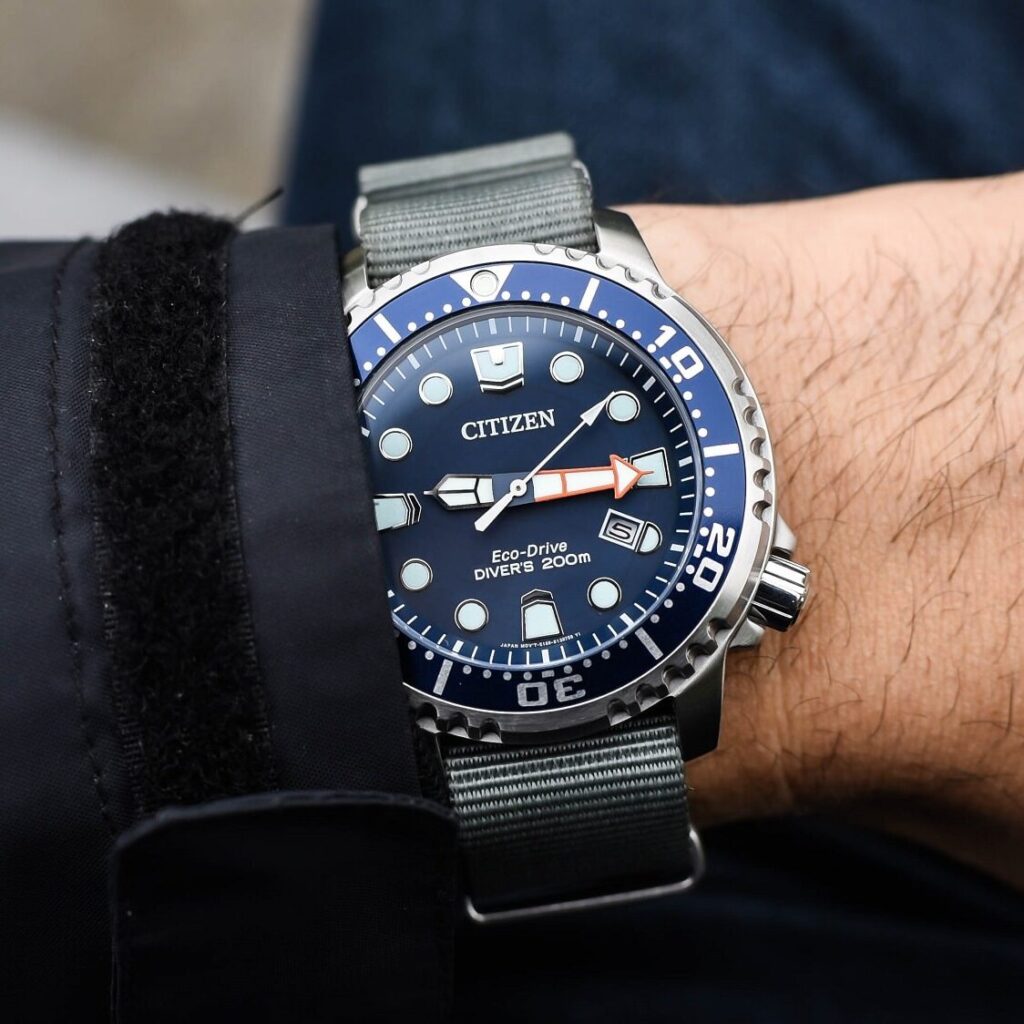
The Citizen Promaster Diver BN0151 and Bulova Caravelle Sea Hunter represent two approaches to the same brief: ISO-certified dive watches with 200 meters of water resistance, designed for everyday wearability rather than professional use. Both sit within the Citizen Watch Group, yet their execution diverges in ways that matter for brands and manufacturing partners evaluating movement platforms, case construction, and bracelet programmes at different tiers of the volume segment.
The Promaster BN0151 runs on Citizen’s Eco-Drive technology, a solar-rechargeable quartz movement that eliminates battery replacement and offers the timekeeping accuracy inherent to quartz regulation. The watch entered service in 2016 and has remained in continuous production, a longevity that speaks to the platform’s reliability and Citizen’s confidence in the technology as a differentiator. For a brand building a dive collection with an OEM partner, the question is whether that value proposition justifies the movement premium over standard quartz, and whether the solar story can be communicated effectively at point of sale.
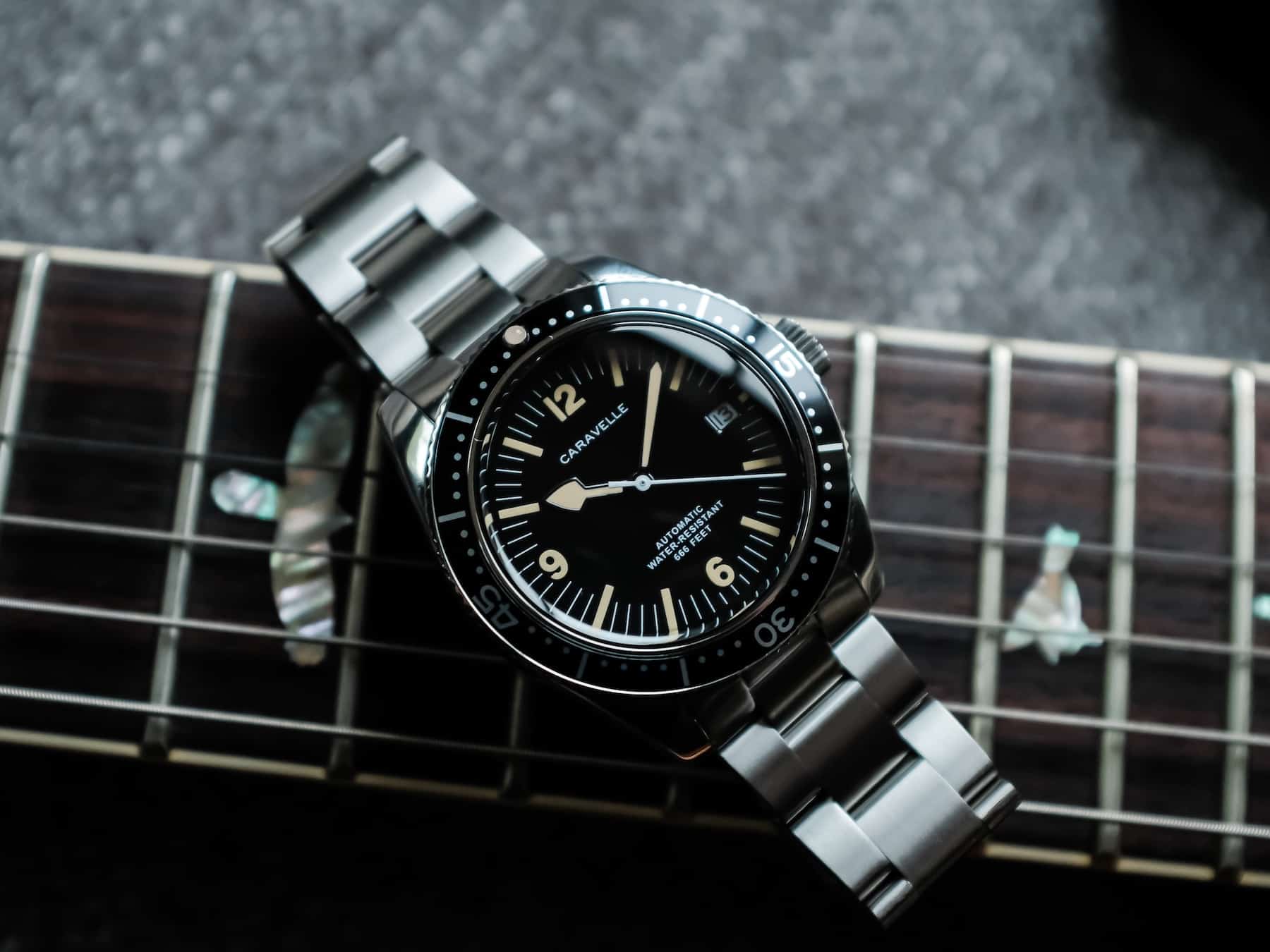
The Caravelle Sea Hunter takes the opposite path, fitting an automatic movement into a 39mm stainless steel case. The watch revives a design from Bulova’s Caravelle line, which began in the 1960s as the group’s more accessible offering. The modern Sea Hunter preserves the compact proportions and traditional dive-watch architecture, including a domed crystal and the visual cues associated with the original 666-foot Devil Diver. The automatic movement introduces a mechanical complication at a segment where quartz dominates, and it does so in a case size that acknowledges the shift toward smaller, more wearable dive watches. For manufacturing partners, the Sea Hunter illustrates how an automatic calibre can be deployed to create product differentiation within a corporate portfolio, even when the parent company’s flagship dive line runs on proprietary solar quartz.
Dial execution and legibility priorities
The Promaster BN0151 features a blue dial with large hands, clearly defined hour markers, and high contrast designed for immediate legibility. The dial occasionally shifts toward a deep purple cast depending on lighting conditions, a characteristic that adds visual interest without compromising function. The date window sits at four o’clock, partially overlapping the adjacent hour marker—a compromise that integrates the complication without requiring a dedicated aperture space. Citizen has not attempted decorative finishing or elaborate printing; the layout reflects a functional hierarchy where every element serves the primary task of telling time underwater.
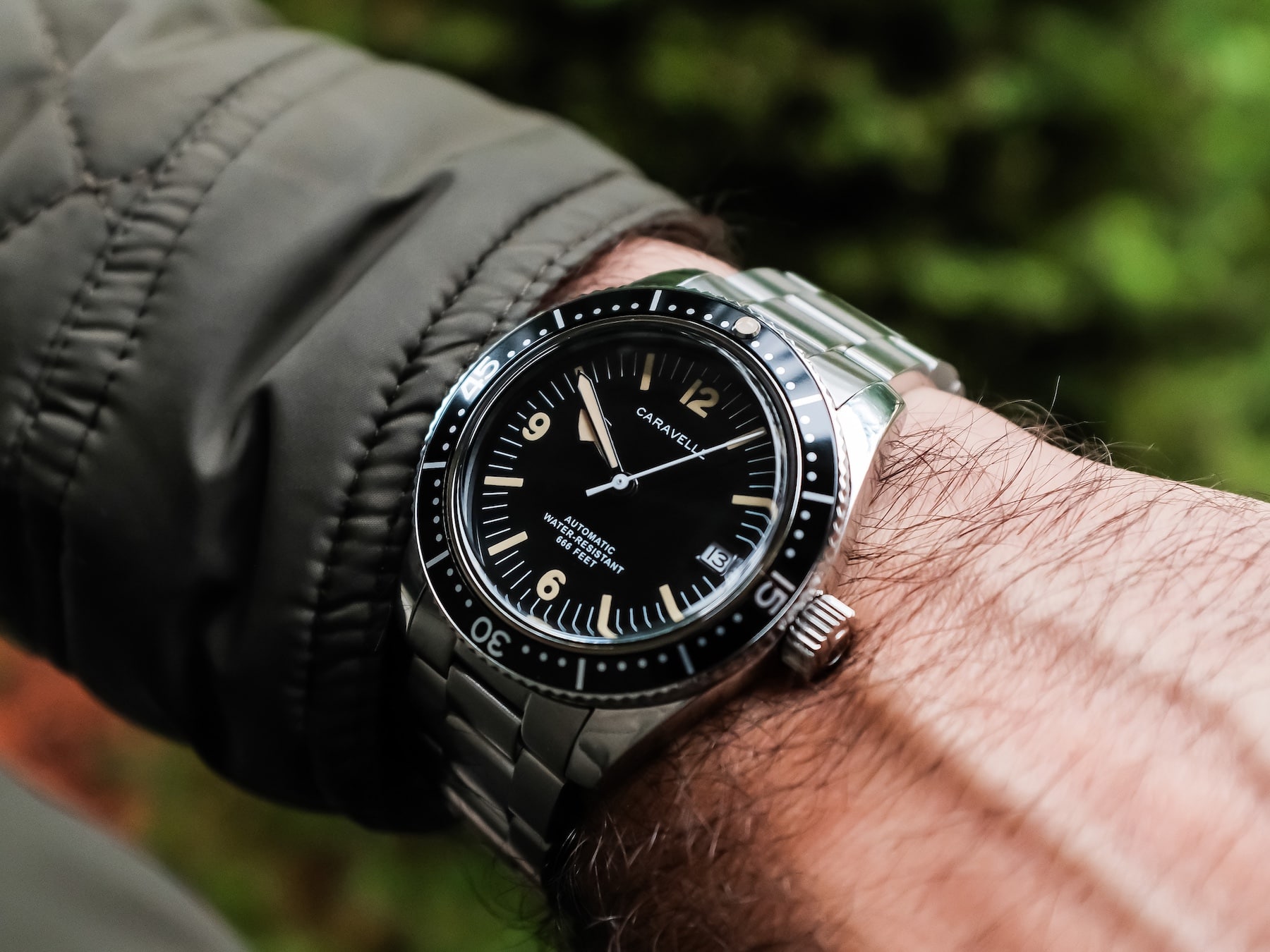
The Sea Hunter’s black dial employs an unusual handset that distinguishes it from the majority of contemporary dive watches. A small date window provides the complication, and the luminous material carries a brown tone that reinforces the vintage aesthetic. The domed crystal, handset, and case proportions already establish the watch’s historical character, and the warm lume extends that influence further.
Strap and bracelet integration
The Promaster BN0151 ships on a blue polyurethane strap printed with no-decompression limits, a detail that signals professional diving credentials. The strap initially presents as relatively stiff and requires manipulation to achieve a comfortable fit. The 20mm lug width accommodates standard NATO straps, and the watch’s lightweight construction pairs well with simple nylon alternatives. The stock strap is functional but not a highlight of the package, and brands working with manufacturing partners should note that polyurethane quality and flexibility vary significantly across suppliers. A strap that feels stiff out of the box can undermine the wearing experience, even when the case and dial execution are sound.
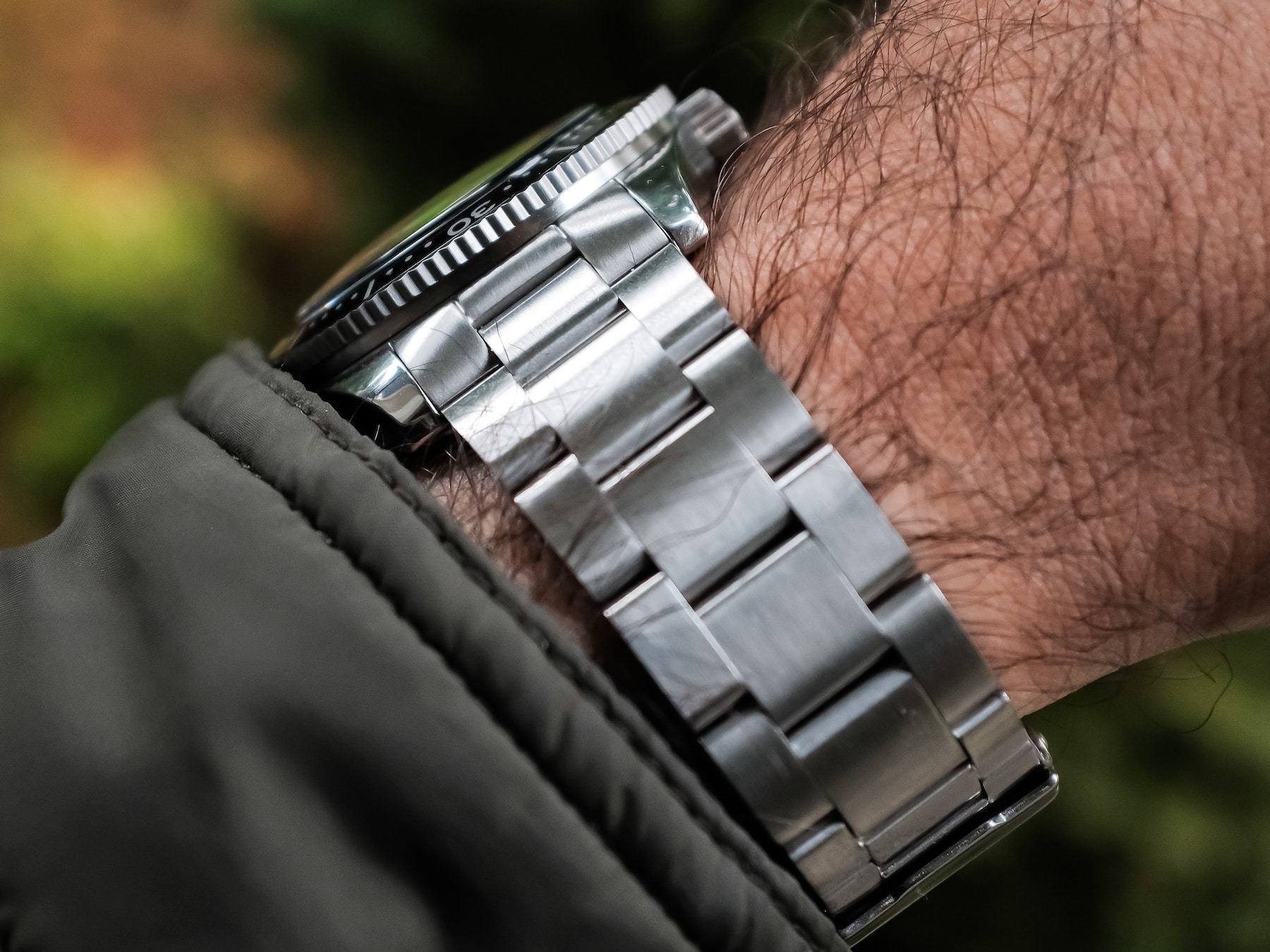
The Sea Hunter’s stainless steel bracelet measures 20mm at the lugs and tapers to 18mm near the clasp, with several micro-adjustment positions. The bracelet gives the watch a different wearing character and a more finished presentation than a rubber or polyurethane strap. The Sea Hunter’s bracelet integration suggests that Bulova views the Caravelle line as an opportunity to offer traditional dive-watch presentation—steel case, steel bracelet, automatic movement—at a segment where those elements are less common.
What it means for OEM specification
The Promaster and Sea Hunter illustrate how movement choice, case size, and bracelet strategy can carve distinct positions within a corporate portfolio. Citizen uses Eco-Drive to differentiate the Promaster from conventional quartz divers, while Bulova deploys an automatic movement and compact case to position the Sea Hunter as a traditional mechanical alternative. Both watches meet the same ISO dive standard, but their appeal rests on different value propositions: solar convenience and proven reliability for the Promaster, mechanical interest and vintage character for the Sea Hunter.