
Trends
Movement and Case Choices in Sub-$200 Dive Watches: Seiko Turtle and Bulova Caravelle Sea Hunter
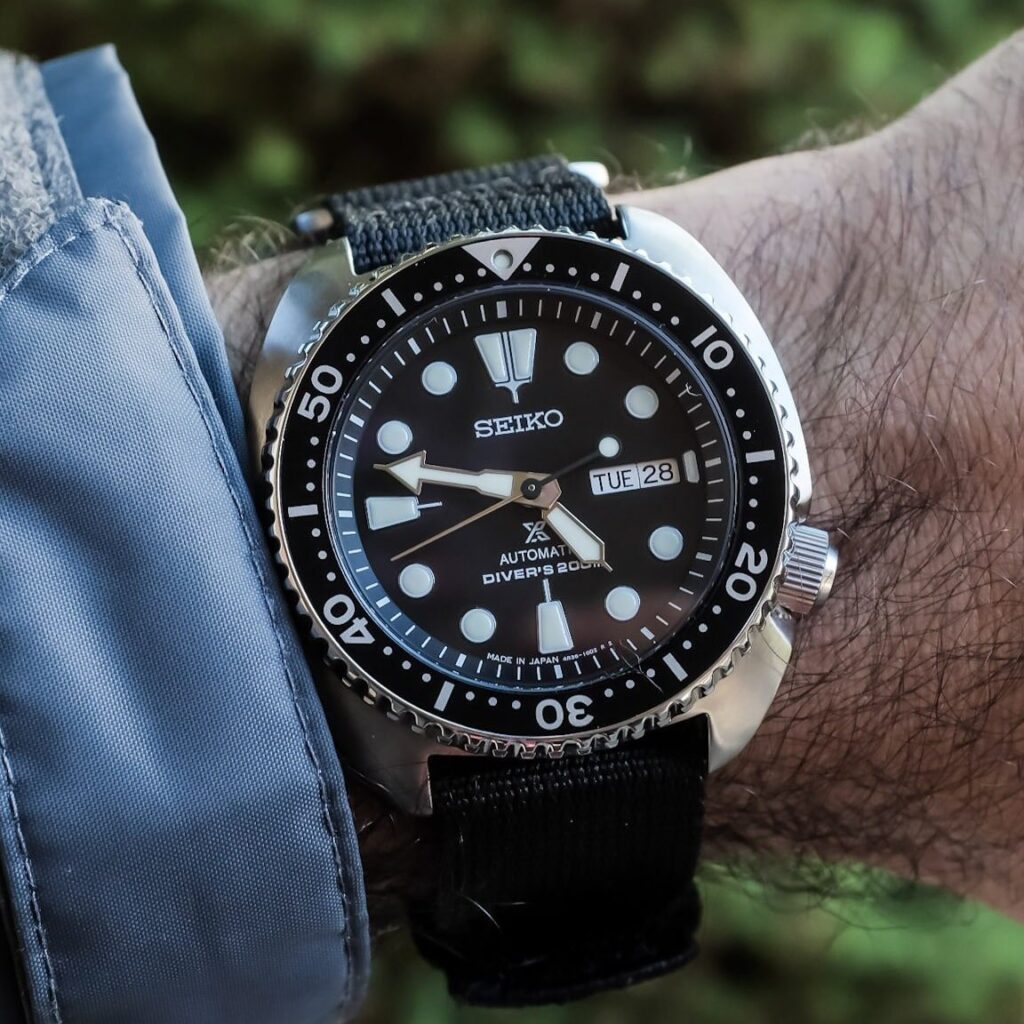
Seiko’s Turtle and Bulova’s revived Caravelle Sea Hunter represent two distinct approaches to the affordable automatic dive watch, each making different decisions about movement sourcing, case dimensions, and dial execution. The Turtle has held a comfortable position in this category for years, built around the cushion-shaped case design that Seiko revived in 2016 from its 6309-series divers manufactured between 1976 and 1988. The Caravelle Sea Hunter, meanwhile, draws from Bulova’s own archive of dive watches, adapting the general appearance of original Sea Hunter models into a contemporary 39mm platform with 200 meters of water resistance.
Case Construction and Proportions
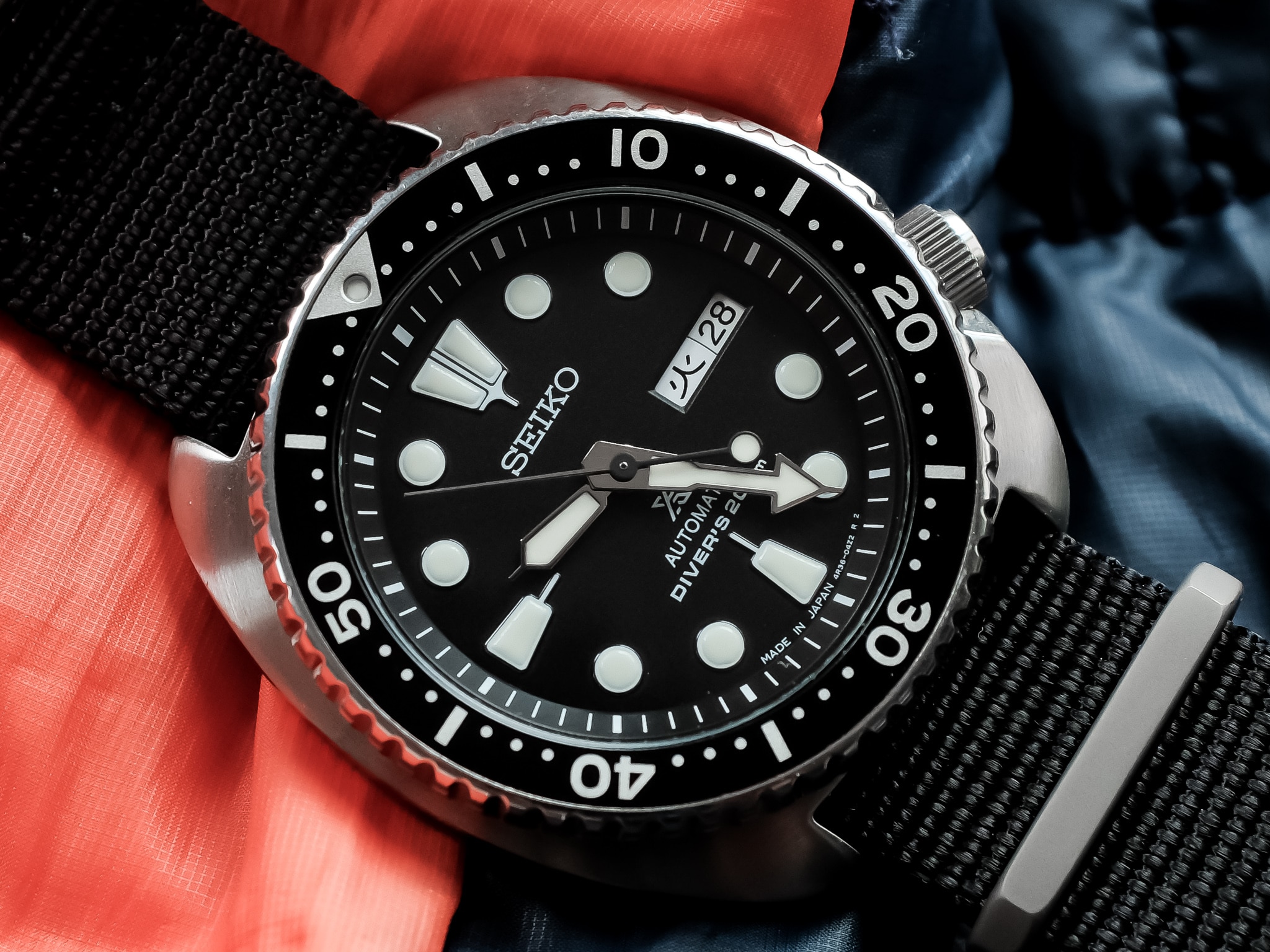
The Turtle’s cushion-shaped case remains one of its defining characteristics. The modern collection maintains the familiar profile that made the 6309-series watches popular among divers and military personnel, though Seiko has produced numerous references and special editions around this core design. The SBDY015, a Japanese domestic market version of the SRP777, shares the same mechanical and visual foundation as the standard black-dial Turtle, with differences limited to market-specific markings and a Kanji day wheel.
Bulova’s decision to bring the Sea Hunter to market at 39mm creates a different proposition. The smaller case diameter positions the watch for wearers who find the Turtle’s proportions too large, though both watches target the same affordable automatic dive category. The 200-meter water resistance specification matches what many brands consider the minimum credible depth rating for a contemporary dive watch at this tier, where 300-meter ratings typically require additional tooling investment and case thickness.
The Sea Hunter’s design references Bulova’s historical dive watches, some of which carried the 666-foot depth rating associated with the brand’s older models. For manufacturing partners, this approach demonstrates how archive material can inform a contemporary collection without the constraints of exact historical replication.
Dial Execution and Legibility
The Turtle follows Seiko’s established formula for dive watch dials: large luminous markers, broad hands, and a matte black background. The layout prioritizes immediate legibility over decorative detail, a choice that aligns with Seiko’s decades of dive watch production. The SBDY015 adds Japanese domestic market printing and a Kanji day wheel, details that provide additional character for certain markets without altering the fundamental dial architecture. The Prospex logo appears on the dial, a branding decision that has generated discussion among collectors but remains consistent with Seiko’s current dive watch lineup.
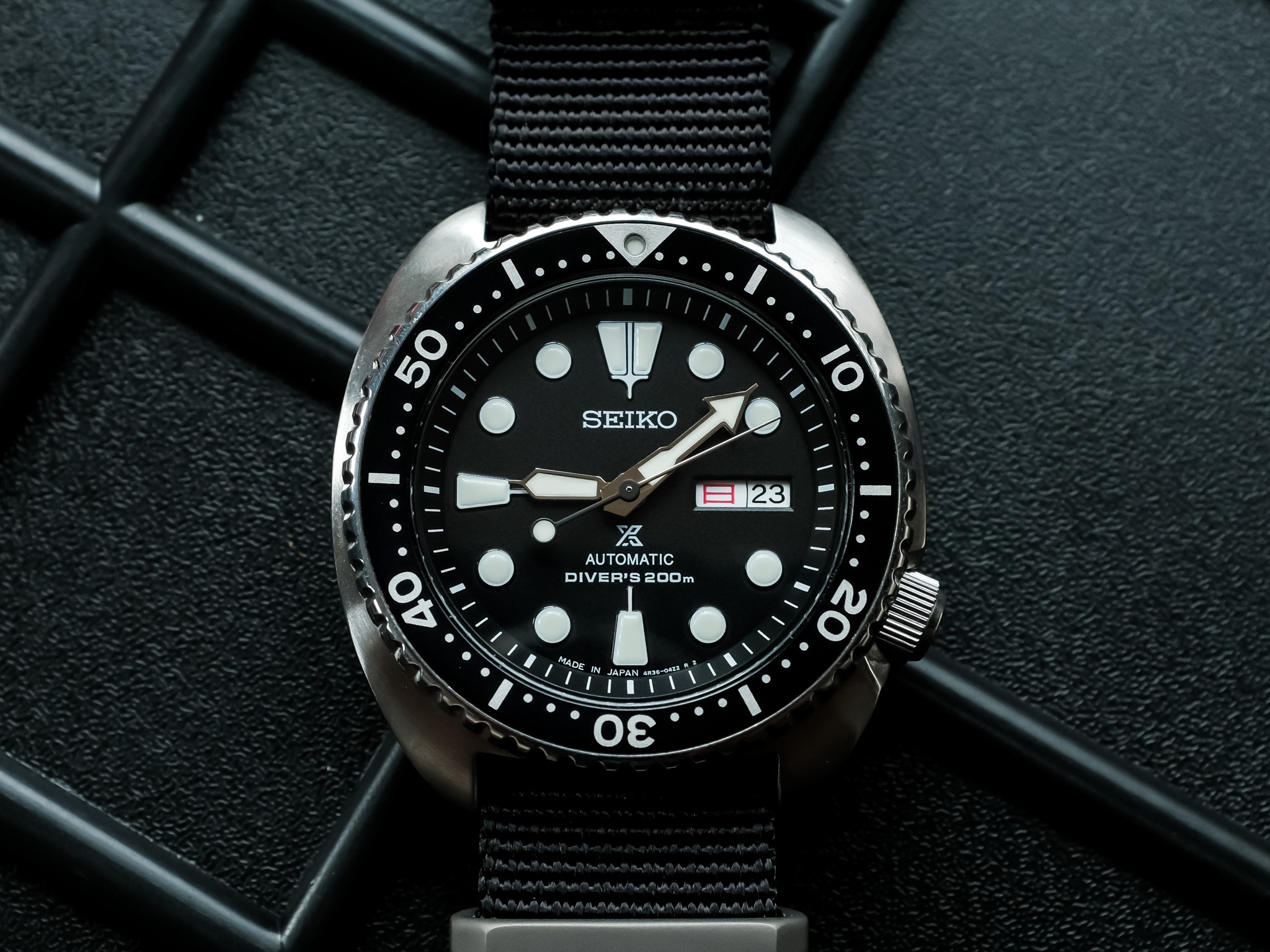
The Caravelle Sea Hunter takes a different approach to dial design, particularly in its handset. The hand shapes distinguish the watch from the Mercedes, sword, and arrow hands that dominate much of the affordable dive watch market. For brands developing dive collections with manufacturing partners, these small distinctions in hand design offer differentiation without requiring entirely new dial tooling. The black dial provides a straightforward background, while the date window remains relatively discreet.
Strap and Bracelet Programmes
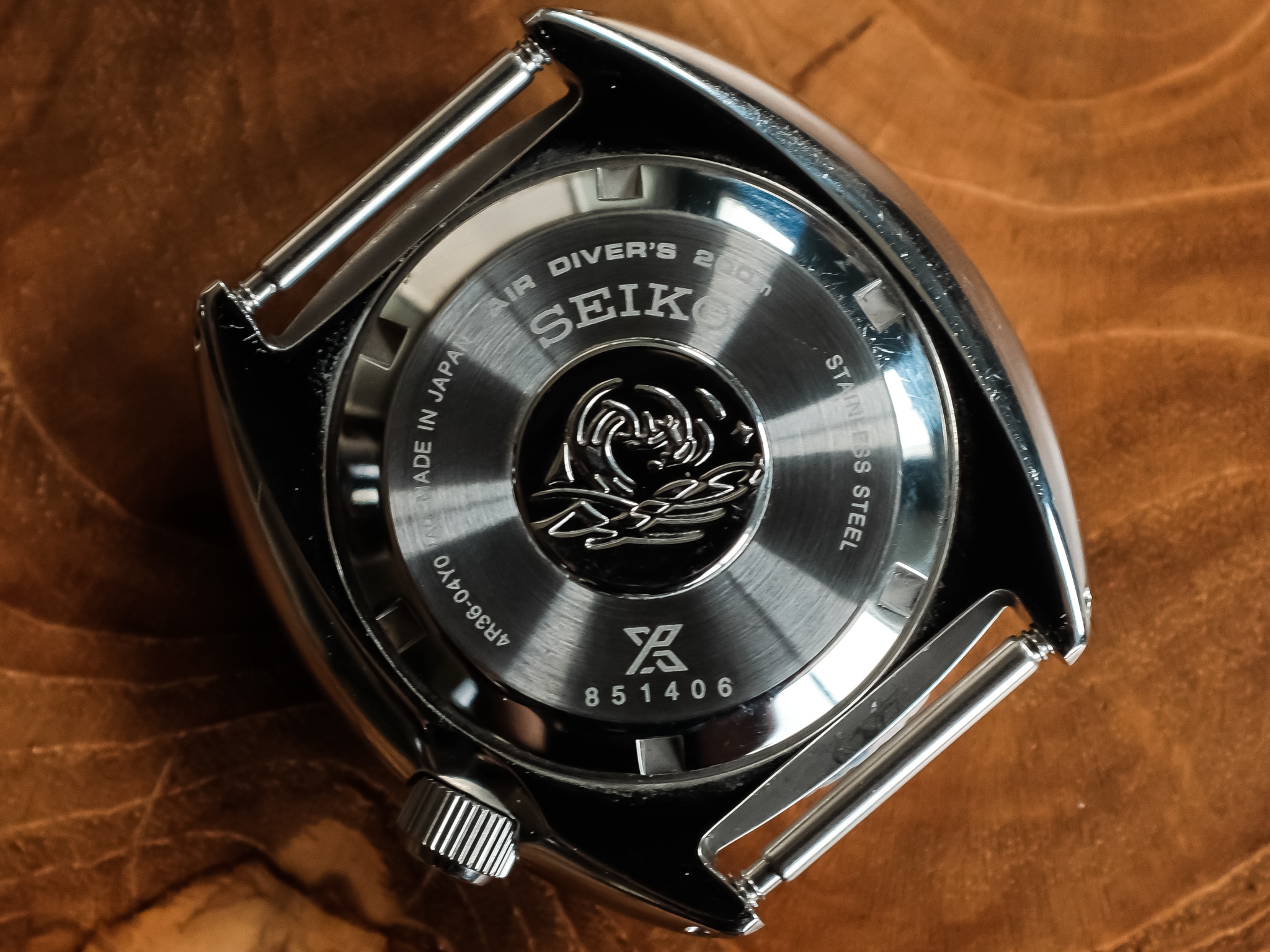
The Turtle commonly ships on either Seiko’s silicone dive strap or a stainless steel bracelet, depending on the reference. The 22mm lug width opens the watch to a wide range of aftermarket strap options, and the cushion case accommodates different materials and colors without appearing mismatched.
Both watches demonstrate how movement and case choices create distinct positions within the same affordable dive category. The Turtle’s established design and Seiko’s production scale support a platform that has absorbed numerous special editions and market variants over the past decade. The Sea Hunter’s smaller case and vintage-inspired details offer an alternative for brands that need a more compact dive watch with automatic movement and credible water resistance. For brands and licensees working with manufacturing partners, the comparison illustrates how movement sourcing and case construction choices define a watch’s position in a crowded and competitive segment.